About this program
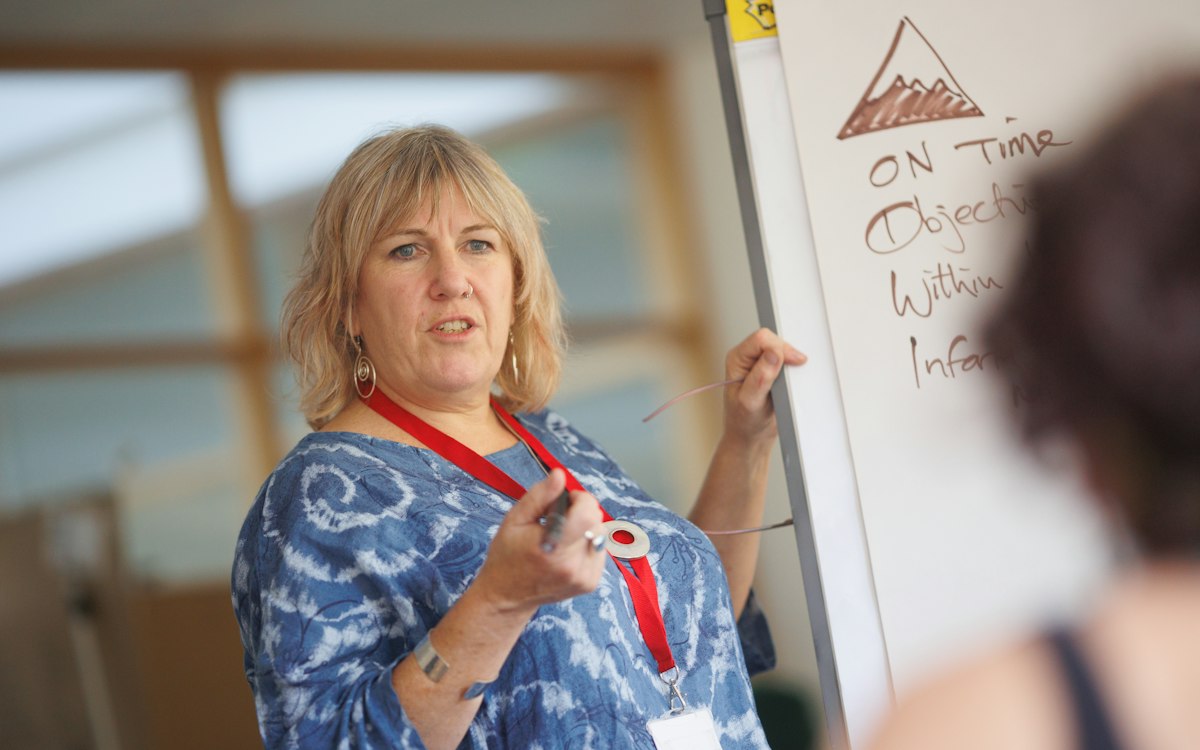
Faculty Development programs support the continuous professional development of academic and teaching staff: improving teaching quality, promoting innovative and student-centred approaches, and strengthening international academic cooperation.
Format: online, hybrid or face-to-face · 12 to 60 hours · in English or French.
Who it is for
- University academic and teaching staff
- Lecturers at colleges, technical schools and other vocational institutions
- School teachers and education professionals
- Heads of departments, program leaders, deans and vice-deans
- Staff responsible for academic management and quality assurance
K–12 Professional Development Modules
For schools we offer 12-hour professional development modules for teachers, principals and vice-principals, with an optional international mobility component in more than 11 countries.
Program areas
- Facilitating, Not Teaching: moving from content delivery to facilitation of learning: inquiry, differentiation, portfolios, assessment and real-life learning.
- AI in Education: purposeful and responsible use of AI for curriculum and unit planning, differentiated learning and multilingual resources.
- The Simplicity of the Differentiated AI Classroom: designing inclusive, manageable learning pathways with AI tools.
- Inquiry-Based Learning: fostering curiosity, critical thinking, independent investigation and reflection.
- Classrooms Without Borders: real-life, community-based, virtual and international collaboration.
- Customized Professional Development: a program built around your institution’s strategic goals and staff needs.
International experts and mobility
Depending on the program, training can include international experts, face-to-face or online Master Classes, academic exchange and an optional mobility component, delivered with the international network of the SELART International Education and Research Group (SIERG).
Expected outcomes
- Better quality of teaching and learning
- Facilitation and student-centred teaching skills
- Responsible use of AI and digital tools
- Differentiated, inclusive and inquiry-based teaching
- Modern assessment and monitoring of learner progress
- A culture of continuous professional development
How cooperation works
Cooperation is formalised through a Memorandum of Understanding (MoU). An annex defines the selected programs, number of participants, schedule, language, format, mobility and financial terms. To start, we hold a working meeting with your management to identify priorities and build a tailored package.